Aerospace Casting

Precision Investment Castings for Aerospace, Automotive and Medical Parts

High-Performance Alloys, Cast Close to Final Shape

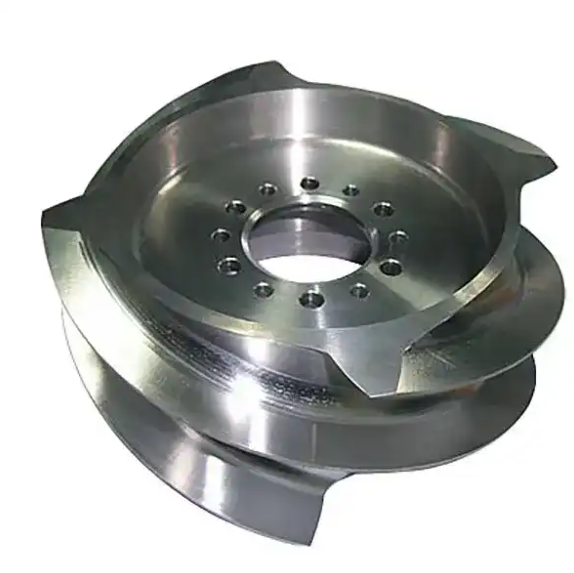
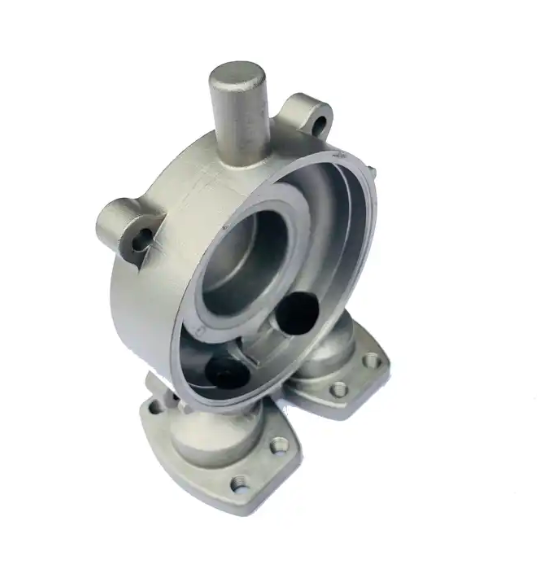
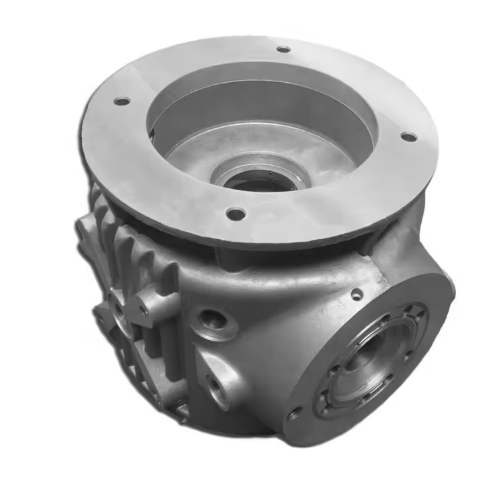
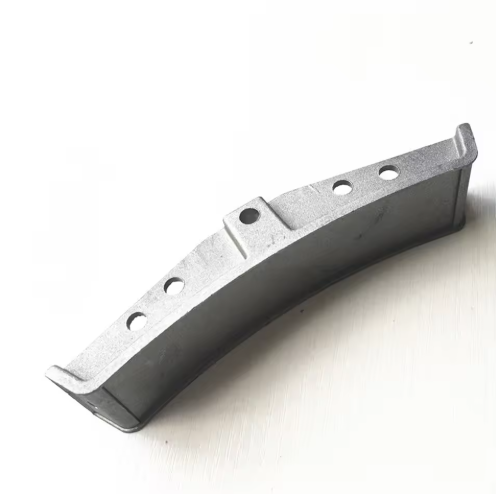
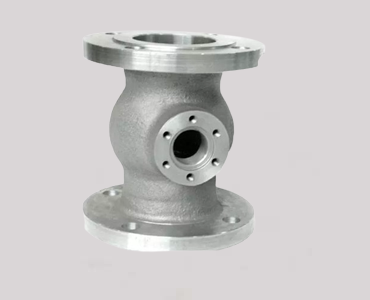
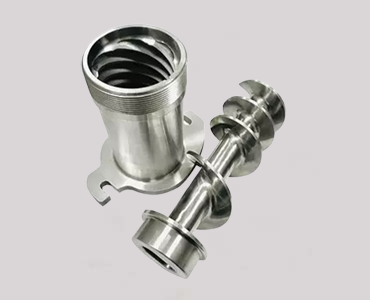
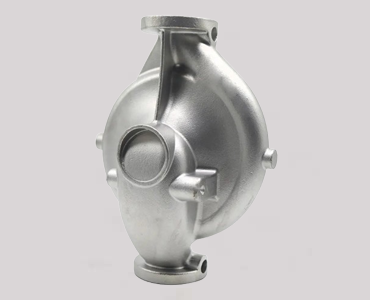
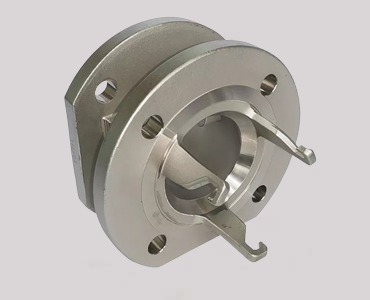
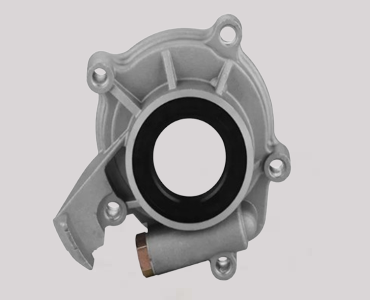
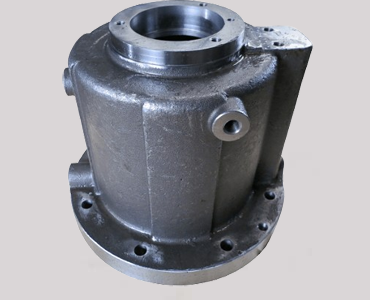
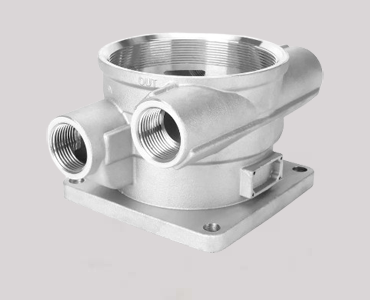
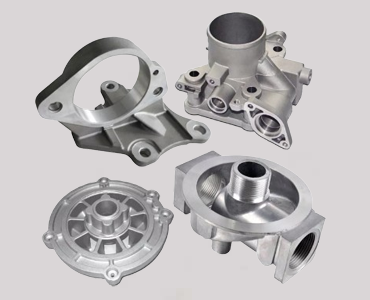
Aerospace Casting focuses on parts where weight, strength and accuracy all matter: brackets, housings, levers, fittings and hot-section components in nickel alloys, 17-4PH and other stainless steels, 4130, 4340 and 8620 alloy steels, A356 aluminium and copper alloys. Investment casting lets these parts keep thin walls, internal passages and fine detail with far less machining than bar or forging.

Each enquiry starts with an engineering review of your drawing revision, alloy standard and critical features. We agree heat treatment, machining datums, NDT and documentation before tooling, so the first articles are measured against an inspection plan you have already approved.

Aerospace Casting
From Alloy Melt to Machined Feature

play bt

Brackets, Housings and Fittings Built to Specification

Why Work with Aerospace Casting

Engineering review of every drawing before tooling. Heat-by-heat chemistry and mechanical results. Heat treatment for 17-4PH, 4340 and nickel alloys. CMM inspection of critical features and NDT where specified.

Be an Expert When Sourcing Aerospace Castings

Check Our Latest News and Articles.

17-4 PH Investment Casting: Specify the Condition, Not Just the Alloy Name

The name 17-4 PH identifies a precipitation-hardening stainless family, but it does not fully specify a casting order. The applicable cast grade, heat-treatment condition and required properties must be defined together. Leaving those details implicit can produce quotations for components that share a familiar name but differ in their supply obligations.

Investment Casting for Automotive Brackets: Design the Interfaces First

An automotive bracket connects components, carries loads and maintains alignment within limited space. Its casting route should be developed around those duties. Investment casting can be evaluated for complex bracket geometry, but successful production depends on more than reproducing the outer shape.

Investment Casting vs Metal 3D Printing: Prototype Freedom and Production Evidence

Metal 3D printing can produce a component directly from a digital build, while investment casting creates the metal shape through a mold. Both can support complex geometry. Their value depends on the production objective and the operations required after the primary shape is made.

Investment Casting vs Centrifugal Casting for Rings and Sleeves

A ring-shaped component may look like an obvious centrifugal casting candidate until mounting lugs, local passages or nonuniform sections are considered. Investment casting offers a different way to create such features. The comparison should follow the complete finished component, not just its cylindrical starting outline.

Investment Casting vs Metal Injection Molding for Small Complex Components

Small complex metal parts can be candidates for investment casting or metal injection molding, but the production routes are fundamentally different. Investment casting fills a refractory mold with molten metal. MIM shapes a powder-and-binder feedstock, removes binder and sinters the component. Comparing them requires more than matching the final outline.

Casting Notes for Design Engineers

Alloys We Cast Most Often

testi1

Nickel Alloy Castings

E-commerce Business Owner

Nickel alloy housings, brackets and hot-section parts are investment cast in Inconel 625, 718 and similar grades, where the process gives thin walls and fine detail that would be costly to machine from bar. See nickel alloy castings.

testi2

Copper and Aluminium Castings

Retail Store Manager

A356 aluminium and copper-alloy parts such as electronics housings, sensor brackets and fluid fittings are investment cast for good surface finish and close tolerances on complex shapes. See aluminium castings.

testi3

Carbon and Alloy Steel Castings

Supply Chain Manager

4130, 4340 and 8620 parts such as gear housings, rocker arms and landing-gear fittings are cast near net shape, heat treated to the required hardness and machined on critical features. See carbon steel castings.

testi4

Stainless Steel Castings

Product Development Lead

17-4PH, 410, 416 and 316 stainless steel parts combine strength and corrosion resistance; 17-4PH is precipitation hardened after casting for aerospace brackets and fittings. See stainless steel castings.

Precision Casting FAQ for Engineers

What does Aerospace Casting focus on?

We make precision investment castings and machined parts in high-performance alloys for aerospace, automotive, medical and industrial equipment: brackets, housings, levers, fittings and heat-resistant components that need tight tolerances and consistent material properties.

What information should I send for a quotation?

Send the latest drawing revision, alloy specification, quantity, critical dimensions, finish and delivery destination. These details help Aerospace Casting define the scope of your casting enquiry.

How should I choose an investment casting alloy?

Compare the required grades against corrosion exposure, temperature, strength and machining needs. Follow the engineering drawing and application requirements when selecting a material.

How should castings be inspected?

Agree dimensional checks, material documentation and any non-destructive testing requirements before production. Identify critical features and define measurable acceptance criteria in the order.

What documentation can you supply?

Typical documents are a dimensional or CMM report, chemical composition and mechanical test results for each heat, heat treatment records and NDT reports such as dye penetrant or X-ray. Tell us which documents your quality plan requires and we will include them in the quotation.

What affects the delivery schedule?

Tooling, sample approval, quantities, machining, inspection and freight all affect timing. Agree a schedule after the technical requirements and delivery terms have been reviewed.

Can I request custom cast components?

Share your drawing, alloy and quantity with Aerospace Casting. Custom geometry, machining and finishing requirements should be reviewed before the tooling scope and price are finalized.

How can I compare investment casting quotations?

Compare the same drawing, material, quantity, finish and inspection scope. Separate one-time tooling, unit pricing, packaging and freight so the proposals can be evaluated consistently.

Why review the design before making tooling?

Wall sections, transitions, holes and machining allowances affect the casting route. Early review helps identify features that require discussion before tooling and sampling.

What should sample approval cover?

Review the sample against the agreed drawing, material requirements, surface finish and inspection plan. Record any changes and confirm the drawing revision before repeat production.

How do I prepare a repeat order?

Keep the approved drawing, alloy specification, sample records and packaging requirements together. Confirm quantity, revision and delivery expectations with Aerospace Casting for every new order.

Explore Aerospace Casting Manufacturing

video 1
video 2
video 3
video 4